

Introduction
Remember the May 2026 abduction in Oyo State? Armed men snatching dozens of students and teachers from their classrooms before vanishing into the surrounding forests? What if things had been done differently?
What if smart surveillance cameras had picked up the attackers’ approach before they ever stepped foot on school grounds? What if automated alarm systems had instantly alerted local security units the moment perimeter lines were breached? And what if tactical drones had been launched immediately to track the kidnappers’ escape routes, pinpointing their location in real time, and giving rescue teams the precise visual intelligence needed to intercept them much faster? Tech can replace chaos and blind searching with immediate awareness, quick response, and actionable data. In a world where minutes determine safety, adopting advanced physical security isn’t just an option anymore.
Security with Tech
Security is one of the oldest fields to benefit from technological innovation. Long before computers existed, people were already using technology to protect themselves, their families, and their possessions. Ancient civilizations built towering stone walls around cities and invented some of the world’s earliest lock-and-key mechanisms. Watchtowers, signal fires, and fortified gates were all technological solutions designed to keep people safe.
As societies grew larger and threats became more complex, so did the technology used to defend them. Mechanical locks evolved into electronic systems, human guards gained assistance from surveillance cameras, and simple alarm bells transformed into intelligent security networks capable of detecting suspicious activity in real time. Today, physical security is no longer limited to preventing unauthorized entry, it focuses on protecting people, facilities, equipment, and critical infrastructure through interconnected technologies that can detect, analyze, and respond to threats faster than ever before.

Modern Technology in Security
Modern physical security combines hardware, software, networking, and artificial intelligence to create safer homes, businesses, schools, hospitals, and public spaces. Rather than relying solely on security personnel, organizations now use integrated systems that monitor environments continuously, restrict access to sensitive areas, and respond automatically when potential threats are detected.
Surveillance Systems: Surveillance remains one of the most recognizable forms of physical security technology. Traditional Closed-Circuit Television (CCTV) cameras have evolved into sophisticated smart surveillance systems capable of much more than simply recording video. Modern IP cameras provide high-definition footage, night vision, motion detection, remote monitoring, and cloud-based storage. Security personnel can monitor multiple locations from anywhere using smartphones or centralized control rooms. Artificial intelligence has further enhanced surveillance by enabling cameras to recognize faces, identify license plates, count people, detect abandoned objects, and even identify unusual behavior. Instead of requiring operators to constantly watch dozens of video feeds, AI-powered systems automatically notify security teams when suspicious activity occurs, allowing for faster and more effective responses. These technologies are widely used in airports, shopping malls, banks, government facilities, hospitals, educational institutions, and smart cities to improve public safety and deter criminal activity.
Drone Systems: One of the fastest-growing technologies in physical security is the use of unmanned aerial vehicles (UAVs), commonly known as drones. Equipped with high-resolution cameras, thermal imaging, infrared sensors, and AI-powered object detection, security drones provide a bird’s-eye view of large or difficult-to-reach areas that fixed cameras cannot easily monitor. They can conduct routine patrols, inspect critical infrastructure, track suspicious activity, and provide live video feeds to security teams in real time. Drones are increasingly used to secure airports, industrial facilities, construction sites, power plants, oil and gas installations, borders, and large public events. During emergencies, they can rapidly assess situations, locate missing persons, monitor fires, and support first responders without placing human personnel in unnecessary danger.
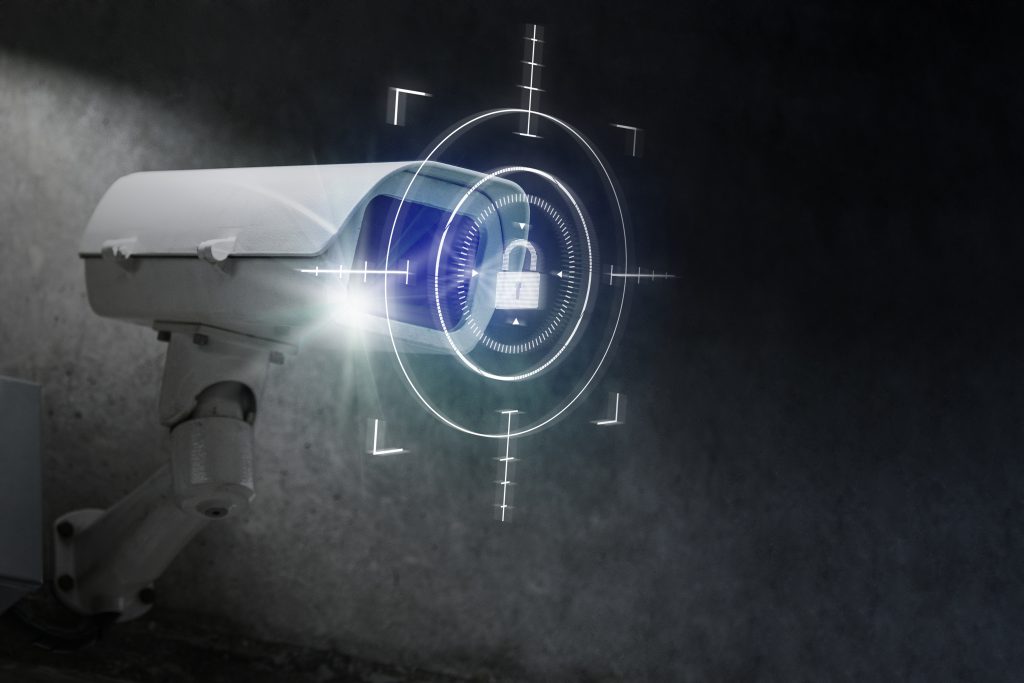
Access Control Systems: Controlling who can enter a building or restricted area is another essential component of physical security. While traditional locks and keys are still common, modern access control systems offer significantly greater flexibility and security. Organizations now use electronic keycards, RFID badges, PIN codes, smart locks, and biometric authentication systems such as fingerprint, facial recognition, iris, and palm scanners. These systems ensure that only authorized individuals can gain access to specific locations. Unlike conventional keys, digital credentials can be updated, revoked, or assigned remotely if an employee leaves an organization or loses their access card. Administrators can also maintain detailed records showing who entered a facility, when they entered, and which areas they accessed. In highly secure environments such as research laboratories, military facilities, and financial institutions, multiple authentication methods are often combined to provide an additional layer of protection.
Intrusion Detection Systems: Physical security extends beyond controlling entry, it also involves detecting unauthorized access as quickly as possible. Intrusion detection systems use a network of sensors and alarms to identify potential security breaches before they escalate. Common technologies include motion detectors, door and window sensors, glass-break detectors, vibration sensors, pressure mats, infrared sensors, and perimeter monitoring systems. When suspicious activity is detected, these systems immediately alert security personnel, activate alarms, or notify law enforcement. Many modern intrusion detection systems are connected to mobile applications, allowing property owners to receive instant notifications regardless of their location. Some systems can even trigger automatic responses, such as locking doors, switching on floodlights, or directing surveillance cameras toward the affected area.
Environmental Control Systems: Not every threat to physical assets comes from intruders. Fire, flooding, overheating, humidity, and equipment failure can be just as damaging as criminal activity. Environmental control systems are designed to monitor these risks and protect critical infrastructure. Fire detection systems use smoke, heat, and flame sensors to identify fires at their earliest stages before activating alarms and automatic suppression systems such as sprinklers or clean-agent fire extinguishers. Temperature and humidity sensors protect sensitive equipment in locations such as data centers, laboratories, museums, and manufacturing facilities by maintaining optimal environmental conditions. Water leak detection systems monitor pipes and equipment for signs of flooding, while power monitoring solutions provide backup power or alert operators when electrical systems fail.
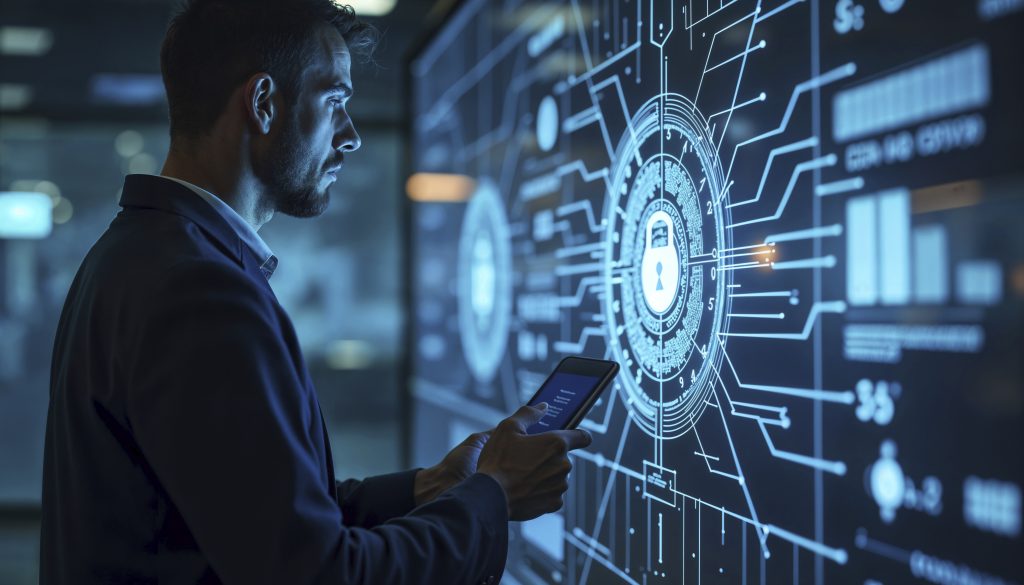
Integrated Smart Security Systems: Perhaps the biggest advancement in physical security is the integration of multiple technologies into a single intelligent platform. Today’s security systems combine surveillance cameras, access control devices, intrusion sensors, environmental monitoring equipment, and communication systems into centralized management software. This allows security teams to monitor every aspect of a facility from a single dashboard. Artificial intelligence further enhances these integrated systems by analyzing large volumes of data, identifying patterns, predicting potential threats, and automating routine tasks. For example, if an unauthorized individual attempts to access a restricted room after business hours, the system can simultaneously lock nearby doors, focus surveillance cameras on the individual, notify security personnel, and record the incident automatically.
Cloud computing has also enabled remote management, making it possible for organizations to oversee multiple facilities from virtually anywhere while securely storing surveillance footage and system logs.
Conclusion
As technologies continue to advance, physical security systems will become even more proactive, accurate, and interconnected. While no security solution can eliminate every risk, the continued integration of technology is making homes, businesses, and critical infrastructure safer than ever before. In an increasingly connected world, investing in modern physical security is not just about protecting buildings, it is about safeguarding people, information, and the systems that keep society running.