

Notice: Function rest_validate_value_from_schema was called incorrectly. The "type" schema keyword for id can only be one of the built-in types: array, object, string, number, integer, boolean, and null. Please see Debugging in WordPress for more information. (This message was added in version 5.5.0.) in /home/newhori4/blog.newhorizonsnigeria.com.ng/wp-includes/functions.php on line 6260
Notice: Function rest_validate_value_from_schema was called incorrectly. The "type" schema keyword for id can only be one of the built-in types: array, object, string, number, integer, boolean, and null. Please see Debugging in WordPress for more information. (This message was added in version 5.5.0.) in /home/newhori4/blog.newhorizonsnigeria.com.ng/wp-includes/functions.php on line 6260
Notice: Function rest_validate_value_from_schema was called incorrectly. The "type" schema keyword for id can only be one of the built-in types: array, object, string, number, integer, boolean, and null. Please see Debugging in WordPress for more information. (This message was added in version 5.5.0.) in /home/newhori4/blog.newhorizonsnigeria.com.ng/wp-includes/functions.php on line 6260
Notice: Function rest_validate_value_from_schema was called incorrectly. The "type" schema keyword for id can only be one of the built-in types: array, object, string, number, integer, boolean, and null. Please see Debugging in WordPress for more information. (This message was added in version 5.5.0.) in /home/newhori4/blog.newhorizonsnigeria.com.ng/wp-includes/functions.php on line 6260
Notice: Function rest_validate_value_from_schema was called incorrectly. The "type" schema keyword for id can only be one of the built-in types: array, object, string, number, integer, boolean, and null. Please see Debugging in WordPress for more information. (This message was added in version 5.5.0.) in /home/newhori4/blog.newhorizonsnigeria.com.ng/wp-includes/functions.php on line 6260
Notice: Function rest_validate_value_from_schema was called incorrectly. The "type" schema keyword for id can only be one of the built-in types: array, object, string, number, integer, boolean, and null. Please see Debugging in WordPress for more information. (This message was added in version 5.5.0.) in /home/newhori4/blog.newhorizonsnigeria.com.ng/wp-includes/functions.php on line 6260
Notice: Function rest_validate_value_from_schema was called incorrectly. The "type" schema keyword for id can only be one of the built-in types: array, object, string, number, integer, boolean, and null. Please see Debugging in WordPress for more information. (This message was added in version 5.5.0.) in /home/newhori4/blog.newhorizonsnigeria.com.ng/wp-includes/functions.php on line 6260
INTRODUCTION
Tertiary education is no longer limited to lecture halls, textbooks and handwritten notes. As technology continues to transform the way people learn and work, students now have access to an expanding range of digital and artificial intelligence tools that can make their academic journey more productive, interactive and personalised.
From researching assignments and understanding difficult concepts to organising notes, collaborating with classmates and preparing for a career, the right technology can become a valuable academic companion. The key, however, is knowing how to use these tools effectively. AI should not replace critical thinking, independent learning or academic integrity. Instead, it should help students work smarter, understand more and make better use of their time.
HOW TECHNOLOGY IS CHANGING TERTIARY EDUCATION
The traditional student experience often involved searching through physical textbooks, visiting libraries and spending hours manually organising information. Today, much of that process has become digital. Students can access academic resources online, attend virtual classes, collaborate through cloud platforms and use productivity applications to organise their studies. AI has added another layer to this transformation by making it possible for software to understand questions, summarise information, generate ideas, explain concepts and assist with different types of academic work.
This means students are no longer limited to a single method of learning. Technology allows them to combine traditional classroom instruction with digital resources that suit their individual needs.
AI TOOLS FOR LEARNING AND UNDERSTANDING
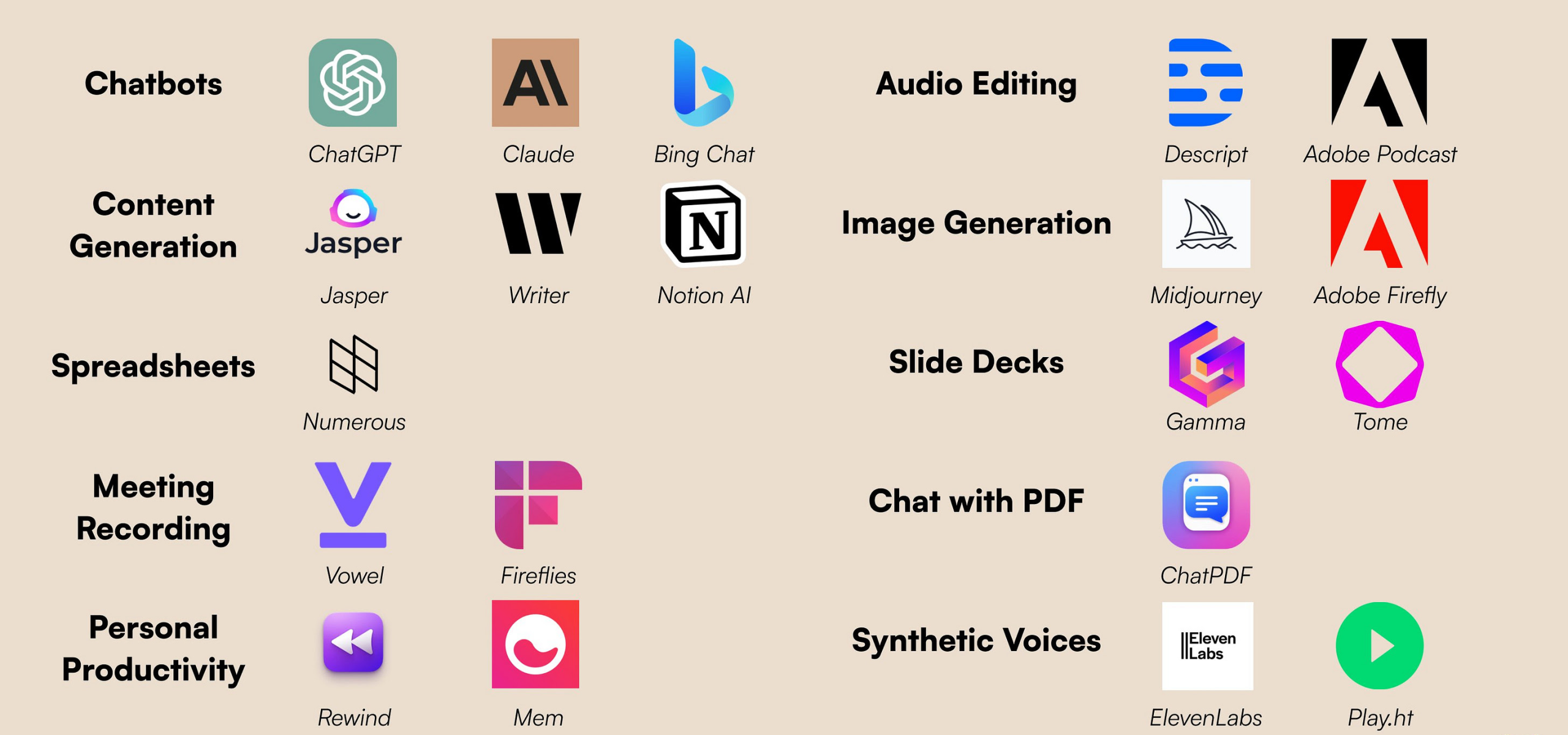
One of the most useful applications of AI for students is personalised learning support. AI assistants can explain difficult concepts in simpler language, provide examples, generate practice questions and help students approach a topic from different perspectives.
For example, a student struggling with a programming concept could ask an AI tool to explain it step by step. A student studying mathematics could use it to work through a problem and understand the reasoning behind the solution. The important distinction is between using AI to understand and using it simply to obtain answers. When students ask AI to explain why an answer is correct, identify mistakes in their reasoning or create practice exercises, the technology becomes a learning aid rather than a shortcut.
RESEARCH AND ACADEMIC WRITING
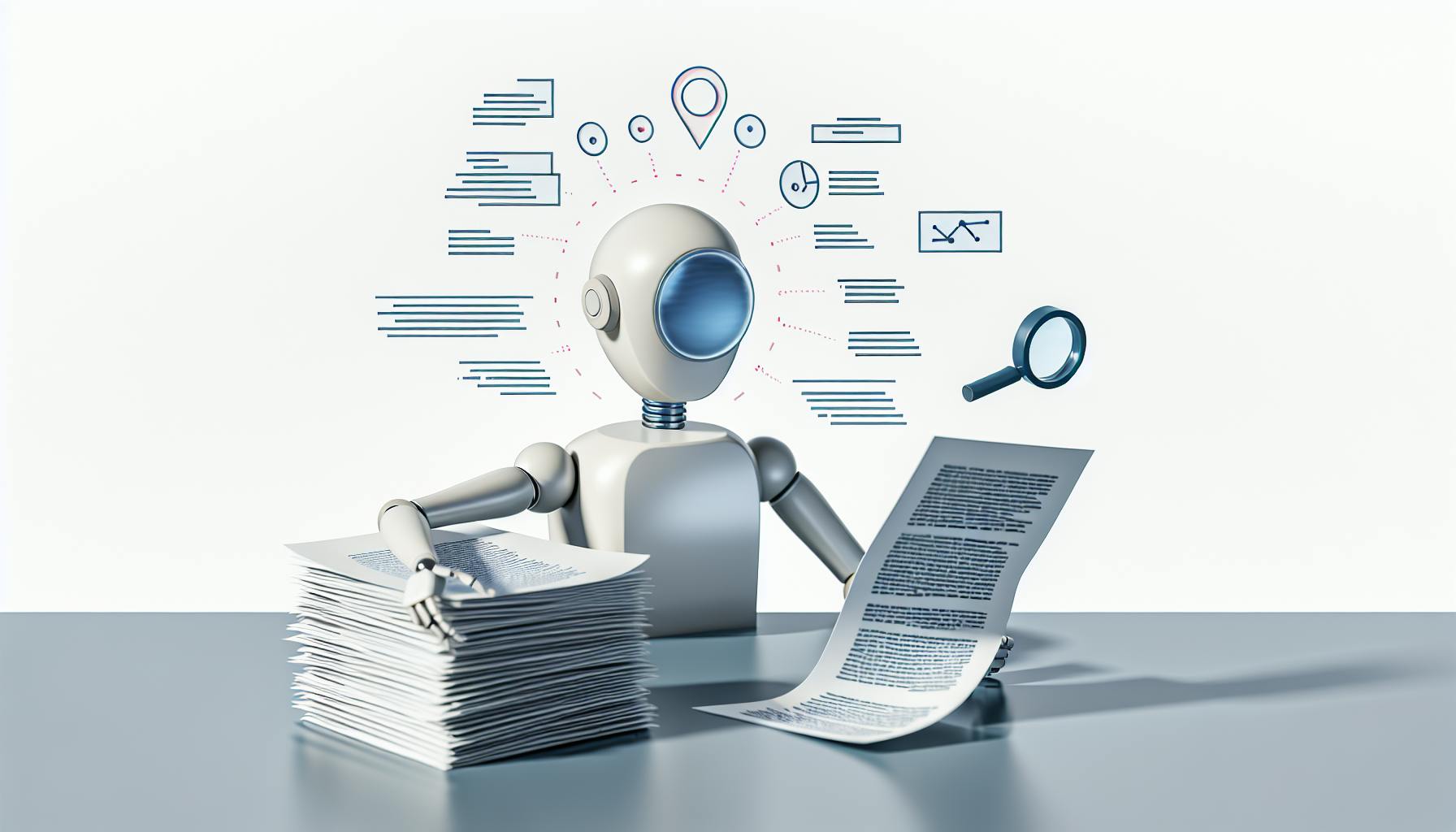
Research is another area where technology can significantly improve the student experience. Digital academic databases, online libraries and research platforms give students access to a much wider range of information than was traditionally available.
AI tools can also assist with brainstorming research topics, organising ideas, summarising material and identifying areas that require further investigation. Writing and productivity tools can help students review grammar, improve clarity and structure their ideas. However, students should still verify information, consult credible academic sources and ensure that their final work reflects their own understanding. This is particularly important because AI systems can sometimes produce inaccurate or incomplete information.
SMARTER NOTE-TAKING AND PRODUCTIVITY
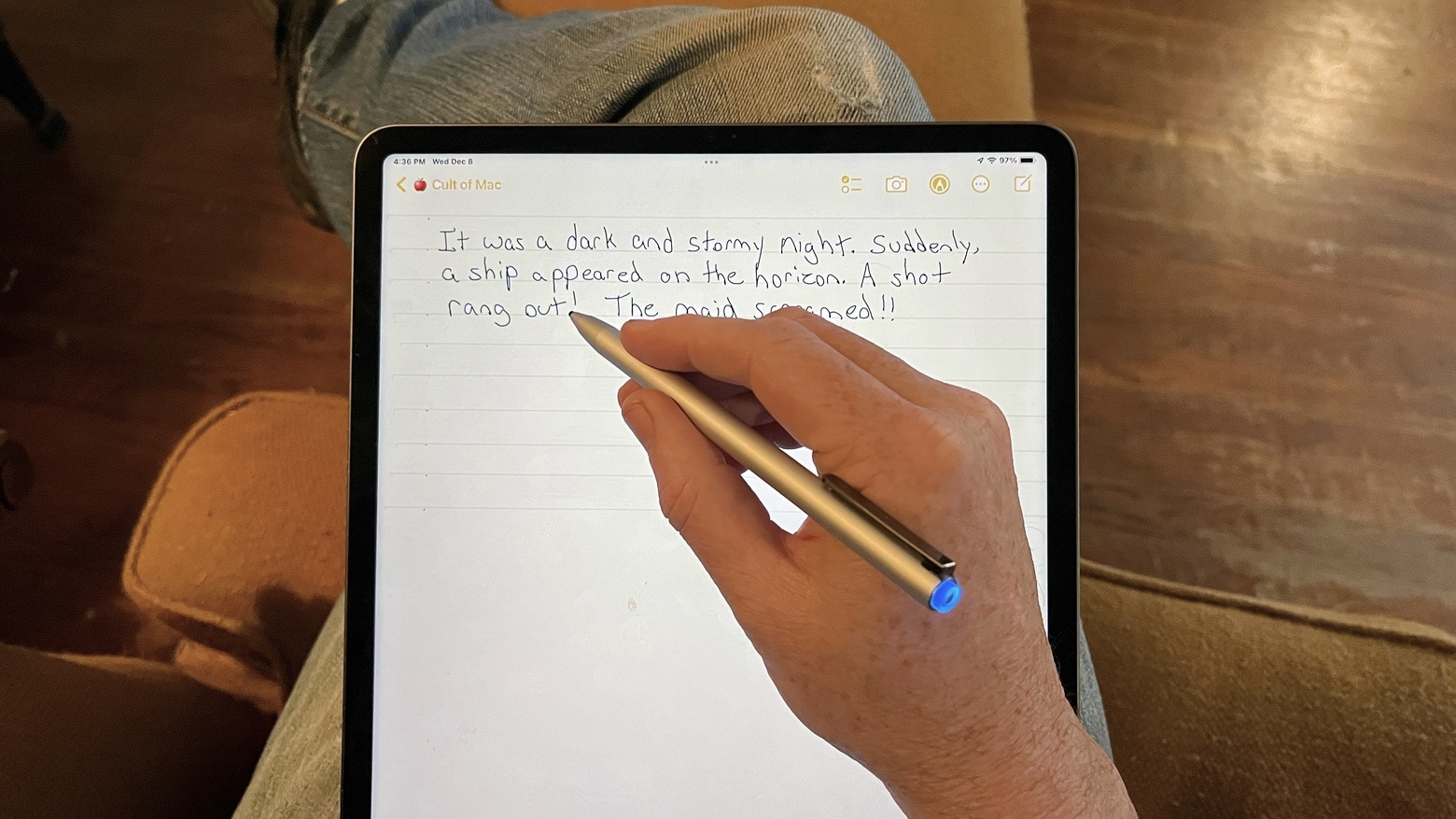
Managing lectures, assignments, deadlines and personal responsibilities can be challenging for tertiary students. Digital productivity tools can help. Students can use note-taking applications to organise lecture materials, cloud storage to keep documents accessible across devices and calendar or task-management applications to track deadlines. AI can take this further by helping students organise information, generate summaries from their notes or create revision questions. Instead of spending unnecessary time managing information, students can dedicate more time to actually studying it.
COLLABORATION AND GROUP PROJECTS
Technology has also changed how students work together. Cloud-based platforms allow multiple students to work on documents and presentations simultaneously, even when they are not physically together. Communication platforms make it easier to coordinate group assignments, while project-management tools can help teams divide responsibilities and monitor progress. AI can also assist groups with brainstorming, planning and generating alternative approaches to a project. These tools can be particularly valuable for students working across different schedules or locations.

AI FOR CODING AND TECHNICAL EDUCATION
For students studying computer science, software engineering and other technology-related disciplines, AI tools are becoming increasingly useful. AI coding assistants can help explain programming concepts, identify potential errors, suggest approaches and generate examples. A beginner can use AI to understand why a particular piece of code works, while a more experienced student can use it to explore alternative solutions or troubleshoot problems. However, students should avoid simply copying generated code without understanding it. Learning to program still requires developing the ability to think logically, break problems down and create solutions independently.
PREPARING FOR THE WORLD OF WORK
The value of IT and AI tools extends beyond university. Students entering today's job market are increasingly expected to be comfortable with digital technologies. Learning how to use productivity software, collaboration platforms, data tools and AI responsibly can therefore become an important part of career preparation. Students can also use technology to build portfolios, improve CVs, practice interviews, develop personal projects and explore potential career paths. The ability to work effectively with technology is becoming a skill in itself.

USING AI RESPONSIBLY
With all these possibilities comes responsibility. Students should understand their institution's rules regarding AI and academic work. Submitting AI-generated material as entirely their own work can undermine the learning process and may violate academic policies. AI-generated information should also be checked against reliable sources, particularly when working on academic research. The best approach is to treat AI as a tool for learning, not a replacement for learning. Use it to ask better questions, understand difficult topics, practise skills, organise ideas and improve your work, but continue to think, verify and learn independently.
CONCLUSION
Technology has become an increasingly important part of the tertiary education journey. With the right IT and AI tools, students can access information faster, learn in more personalised ways, manage their workload more effectively and develop skills that extend beyond the classroom.
As universities and workplaces continue to evolve, digital literacy and AI awareness will become increasingly valuable. For today's tertiary students, learning how to work alongside these technologies is therefore not simply about making school easier. It is about preparing for the world beyond it.