

INTRODUCTION
In an increasingly digital world, huge amounts of personal, financial and business information are stored and transmitted electronically every day. From online banking and shopping to private messages and business communications, sensitive data constantly moves across networks and devices. So, how can information remain secure if someone else gains access to it?
The answer to that is data encryption. Encryption protects information by transforming it into a format that cannot be understood without the correct key. It has become a fundamental part of modern cybersecurity and secure digital communication.
WHAT IS DATA ENCRYPTION?
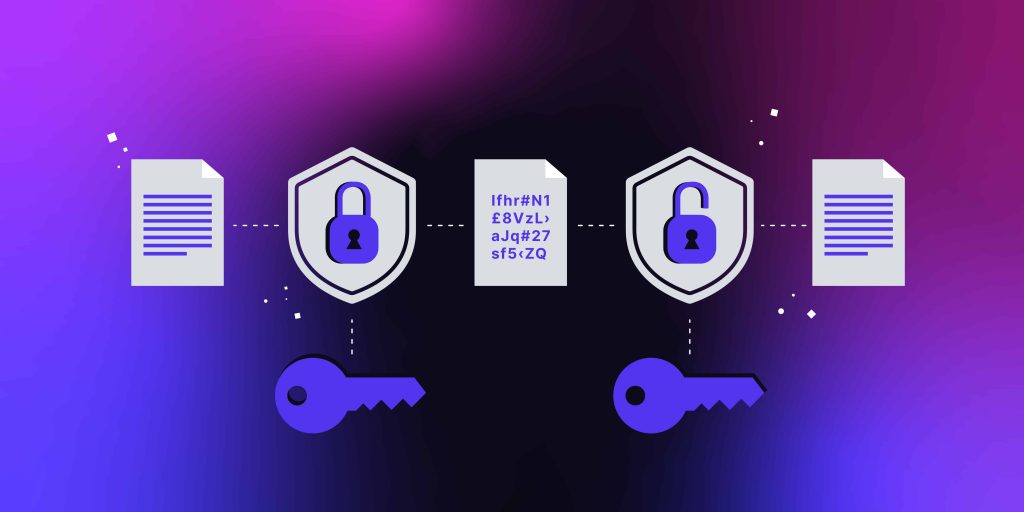
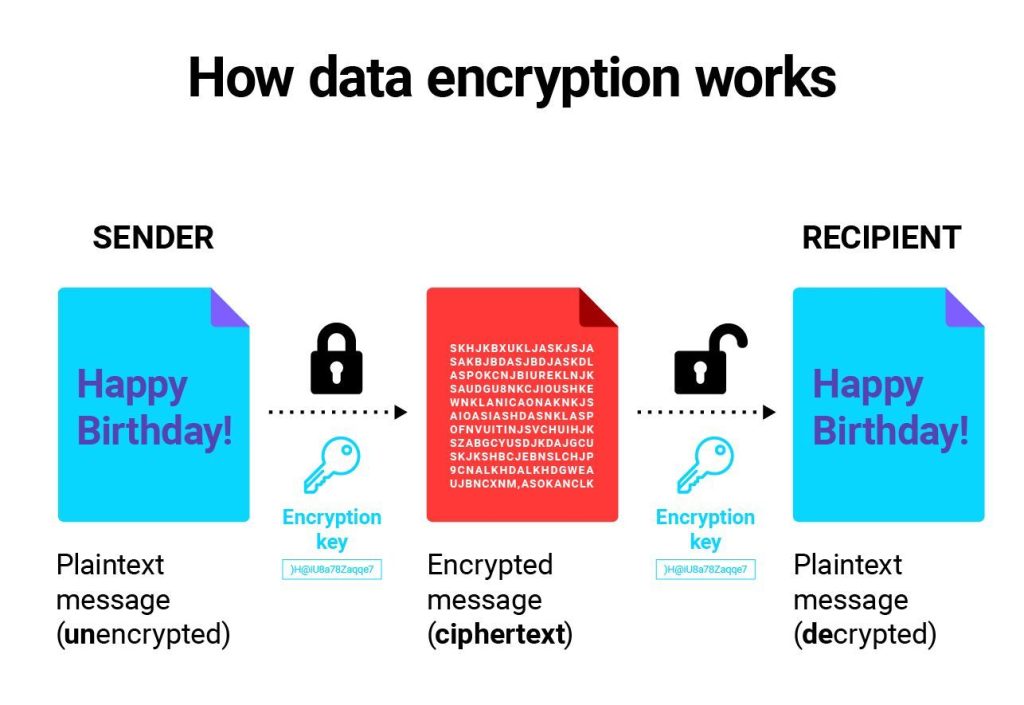
Data encryption is the process of converting readable information, known as plaintext, into an unreadable format called ciphertext. This transformation is performed using mathematical algorithms and an encryption key.
The encrypted information can then be transmitted or stored without being easily understood by unauthorized individuals. When the intended recipient receives the information, the appropriate decryption key can be used to return the ciphertext to its original readable form. In simple terms, encryption is like placing information inside a locked digital box. Anyone may be able to see the box, but only someone with the correct key can access what is inside.
KEY OBJECTIVES OF DATA ENCRYPTION
Confidentiality: Encryption ensures that only authorized parties can access and understand protected information.
Data Integrity: Encryption can help detect unauthorized changes to information during transmission.
Authentication: Encryption can form part of systems used to verify the identity of communicating parties.
Non-repudiation: Encryption-related mechanisms can help provide evidence that a particular party was involved in creating or sending specific information.
WHY IS DATA ENCRYPTION IMPORTANT?
Simply storing information on a secure system does not eliminate the possibility of a data breach. Encryption provides another layer of protection by ensuring that even if information is accessed without authorization, it may remain unintelligible without the appropriate key.
For example, imagine an employee carrying sensitive company information on a portable storage device. Without encryption, someone who obtains the device may be able to read the information. If the data has been encrypted, however, the information remains unreadable without the necessary key.
Encryption is therefore particularly important for protecting personal information, financial records, confidential communications and other sensitive data.
HOW DOES ENCRYPTION WORK?
The basic encryption process begins with readable information, or plaintext. The sender applies an encryption algorithm and key to the plaintext, transforming it into ciphertext. The ciphertext can then travel across a network or be stored on a device. If an unauthorized person intercepts the ciphertext, they should not be able to understand the original information without the appropriate key. When the intended recipient receives the encrypted data, a corresponding decryption key and process are used to restore the original information. Encryption can protect data both in transit, when information is moving between locations, and at rest, when information is stored on devices or systems.
TYPES OF DATA ENCRYPTION
There are two major types of data encryption: symmetric encryption and asymmetric encryption.
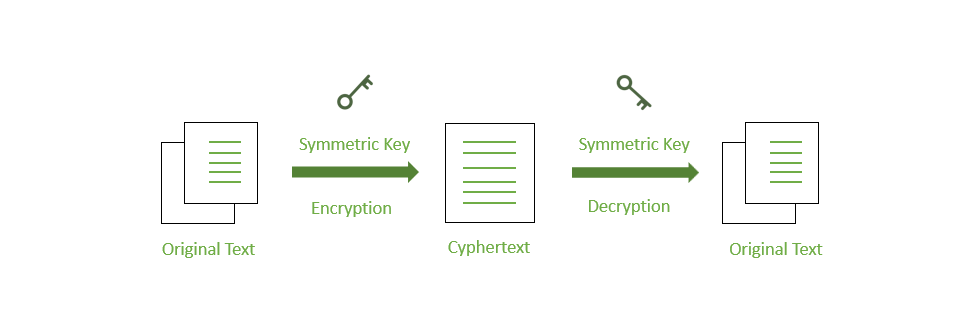
- Symmetric Key Encryption: Symmetric encryption uses the same key for both encryption and decryption. The key must therefore be kept secure because anyone who obtains it may be able to decrypt the information.
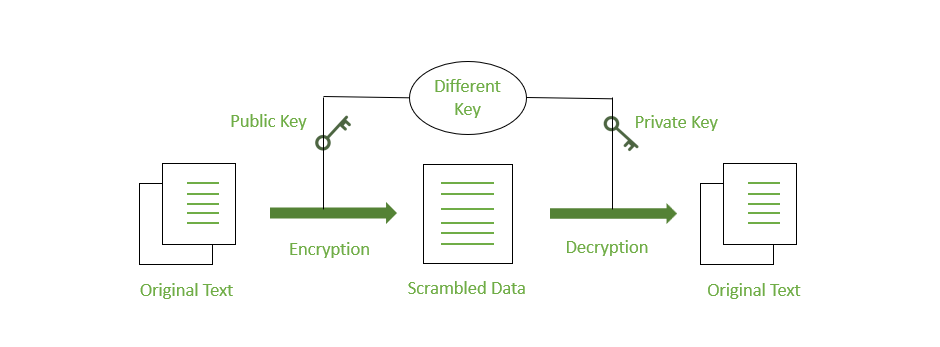
- Asymmetric Key Encryption: Asymmetric encryption uses two different keys: a public key and a private key. This approach is commonly known as public-key encryption and is widely used in internet security protocols.
USES OF DATA ENCRYPTION: ADVANTAGES AND DISADVANTAGES
Encryption is used in many areas of modern technology. It can protect information during data migration, support VPNs, secure cloud-stored information and help protect digital communications. It can also be used alongside digital signatures to support information integrity and authenticity.
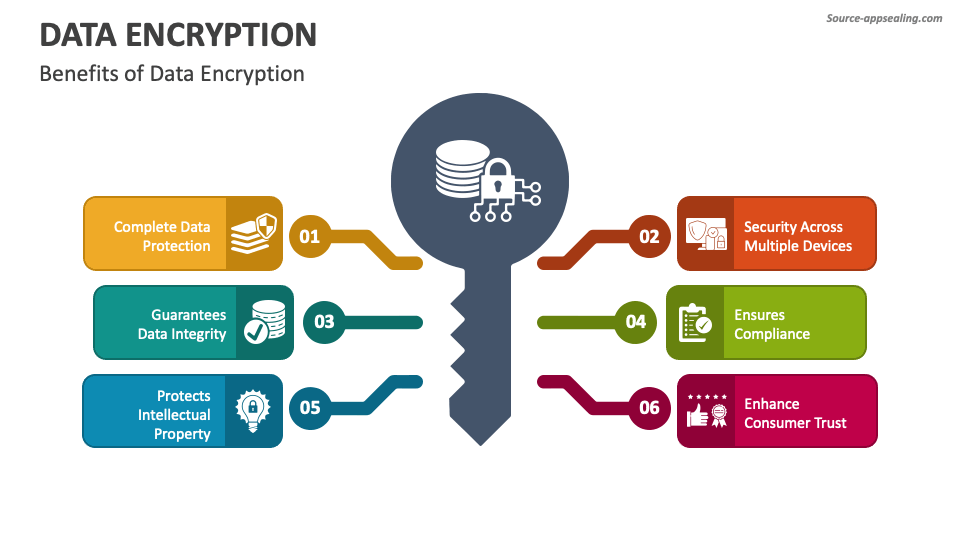
Its major advantages include stronger protection for information stored or transmitted through potentially insecure channels and improved overall data security.
However, encryption also has disadvantages. Losing an encryption key or password can prevent legitimate users from accessing their own information. Strong encryption can also require considerable processing resources, time and specialised systems. In some cases, implementing multiple layers of data protection can make systems more difficult to use and manage.
There are also different encryption algorithms designed for different purposes, including AES, RSA, ECC, Twofish, DES and 3DES.
CONCLUSION
Data encryption is one of the fundamental technologies supporting cybersecurity today. As individuals, businesses and organizations continue to rely on digital systems, the amount of sensitive information being exchanged and stored will continue to grow. Encryption cannot eliminate every cybersecurity risk, but it provides a critical layer of protection. In a world where information has become one of the most valuable digital assets, keeping that information secure is no longer optional, it is essential. If you want to learn more about Data Encryption, join our Cybersecurity course at New Horizons today.