
Notice: Function rest_validate_value_from_schema was called incorrectly. The "type" schema keyword for id can only be one of the built-in types: array, object, string, number, integer, boolean, and null. Please see Debugging in WordPress for more information. (This message was added in version 5.5.0.) in /home/newhori4/blog.newhorizonsnigeria.com.ng/wp-includes/functions.php on line 6260
Notice: Function rest_validate_value_from_schema was called incorrectly. The "type" schema keyword for id can only be one of the built-in types: array, object, string, number, integer, boolean, and null. Please see Debugging in WordPress for more information. (This message was added in version 5.5.0.) in /home/newhori4/blog.newhorizonsnigeria.com.ng/wp-includes/functions.php on line 6260
Notice: Function rest_validate_value_from_schema was called incorrectly. The "type" schema keyword for id can only be one of the built-in types: array, object, string, number, integer, boolean, and null. Please see Debugging in WordPress for more information. (This message was added in version 5.5.0.) in /home/newhori4/blog.newhorizonsnigeria.com.ng/wp-includes/functions.php on line 6260
INTRODUCTION
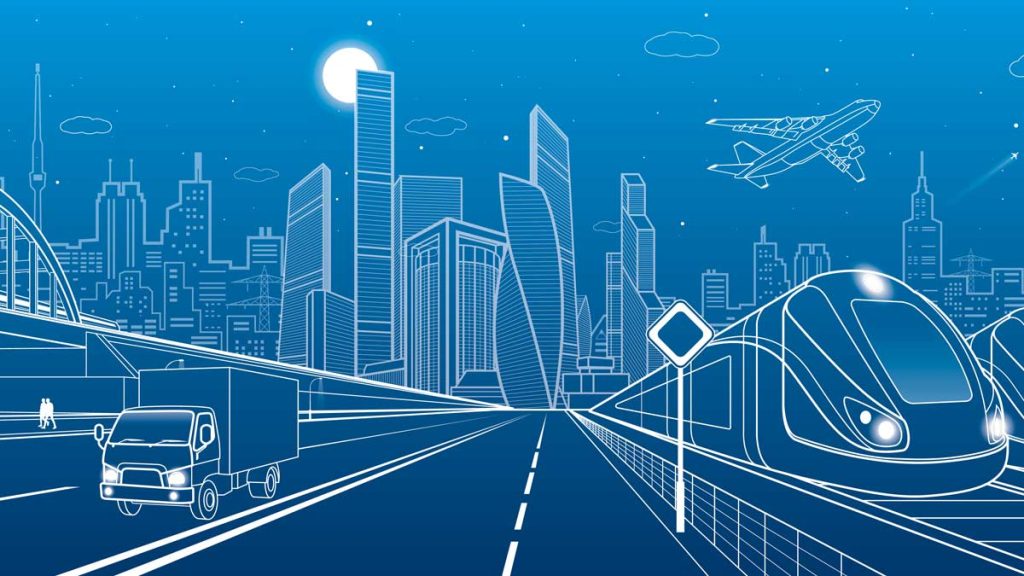
Transportation is one of the clearest examples of how technology can transform an ordinary part of everyday life. From walking and animal-drawn carts to cars, trains, airplanes and increasingly intelligent vehicles, technological advancement has continuously changed how people and goods move from one place to another.
Today, transportation is about far more than simply getting from point A to point B. Technology has become deeply integrated into how vehicles are designed, how roads and railways operate, how traffic is managed and how journeys are planned. The evolution of transportation shows that technology does not simply create new vehicles. It can transform the entire transportation system around them.
EVOLUTION OF TRANSPORTATION
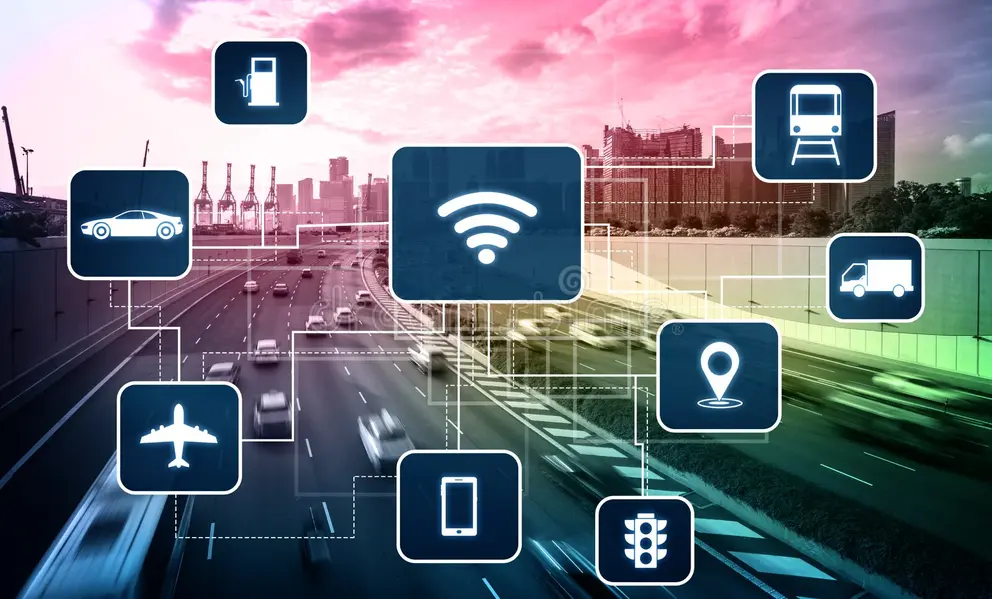
The history of transportation technology is marked by major developments that gradually made travel faster and more efficient. One of the earliest and most important inventions was the wheel, which dates back to around 3500 BC. Its development provided the foundation for wheeled transportation and eventually influenced the design of carts, carriages and countless forms of vehicles that followed.
For centuries, transportation relied heavily on human and animal power. However, major changes began during the Industrial Revolution between 1750 and 1900. During this period, improvements were made to roads and canals. Engineers such as John Loudon McAdam contributed to modern road construction, while Thomas Telford made significant contributions to canal engineering. One of the most transformative developments was the application of steam power. Improvements to the steam engine, particularly through the work of inventors such as James Watt, made it possible to develop new forms of transportation. Steam locomotives transformed land travel by allowing people and goods to move over long distances at speeds that had previously been difficult to achieve. Steam-powered ships similarly transformed travel and trade across waterways.
The automobile brought another major transformation. Early automobiles were powered by gasoline-fueled internal-combustion engines, eventually becoming one of the primary forms of transportation for families and individuals and by the 20th century, transportation expanded beyond roads and waterways. Air transportation emerged as a major form of travel, supported by improvements in aircraft engines, airports and air traffic control systems.
Technology also transformed the systems surrounding transportation. The telegraph, telephone, radio and eventually computers improved communication and coordination, making it easier to manage increasingly complex transportation and logistics networks. From the wheel to the computer, each major technological development has contributed to making transportation more connected, efficient and accessible.
WHAT LIES AHEAD
Transportation is now entering another period of technological transformation. One of the most visible developments is the rise of electric vehicles (EVs). Unlike conventional vehicles that rely on internal-combustion engines, electric vehicles use electric motors powered by batteries. As battery technology develops, electric transportation is becoming an increasingly important part of discussions around the future of mobility.
Another major development is autonomous transportation. Self-driving technology uses cameras, sensors, radar, artificial intelligence and other systems to help vehicles understand their surroundings and make driving decisions. Although fully autonomous transportation is still developing, these technologies are already influencing modern vehicles through features such as automatic braking, lane assistance, parking assistance and adaptive cruise control.
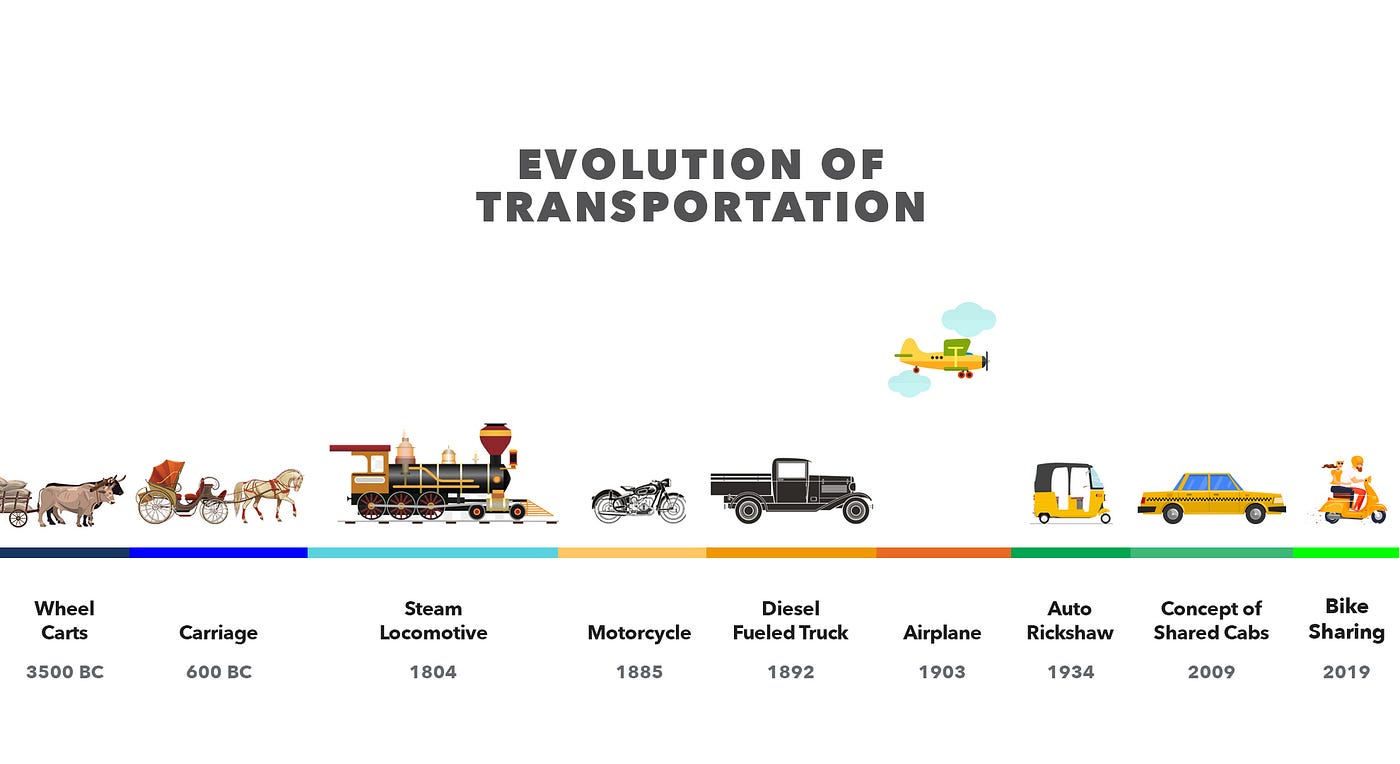
Artificial intelligence and data are also changing transportation beyond individual vehicles. Traffic-management systems can analyse information to understand traffic conditions, while navigation platforms can use real-time data to identify congestion and suggest alternative routes.
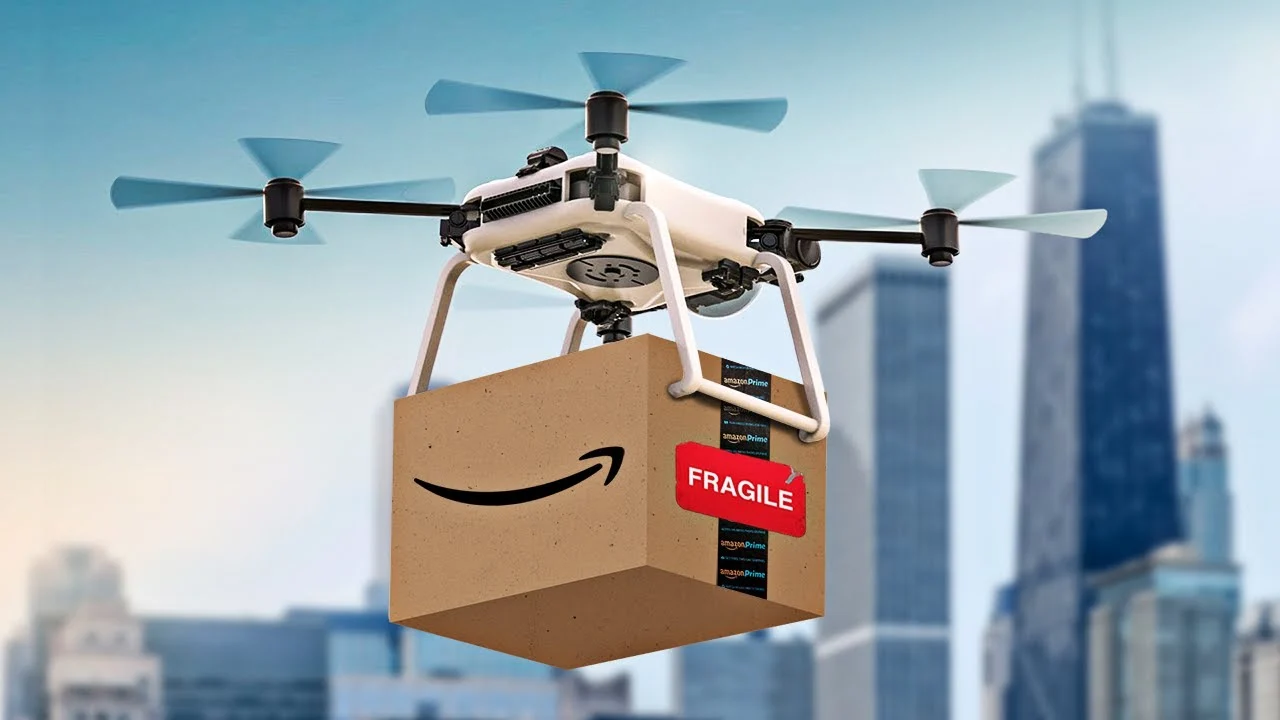
The future could also bring greater integration between different forms of transportation. Instead of treating cars, buses, trains, bicycles and other systems as separate, technology can help connect them into more coordinated networks. Drones and other emerging technologies could further influence the movement of goods, while innovations in logistics may make deliveries faster and more efficient. Ultimately, the transportation of the future is likely to be more connected, automated, data-driven and environmentally conscious.
ADVANTAGES VS DISADVANTAGES
The integration of technology into transportation has brought significant advantages.
One of the biggest is speed and efficiency. Modern vehicles allow people and goods to travel much faster and over greater distances than was possible in the past. Technology has also improved safety. Systems such as cameras, sensors, automatic braking and traffic-control technologies can help reduce human error and improve awareness on the road. Another advantage is convenience. GPS navigation, ride-hailing platforms, digital ticketing and real-time travel information have made planning and completing journeys easier. Technology has also improved logistics and transportation management. Businesses can track vehicles and shipments, optimise routes and coordinate deliveries using digital systems.
However, technological advancement also brings challenges.
Advanced vehicles and transportation infrastructure can be expensive to develop and maintain, potentially making new technologies inaccessible to some people. There are also concerns surrounding cybersecurity and privacy, particularly as vehicles and transportation networks become increasingly connected to digital systems. Automation could also change the nature of employment in areas such as driving and logistics, while the production and disposal of batteries and electronic components create environmental challenges of their own. Technology therefore presents both opportunities and challenges. The goal is not simply to make transportation more advanced, but to ensure that technological progress remains safe, accessible, sustainable and useful to society.
CONCLUSION
Transportation has never been a static industry. From the invention of the wheel to steam engines, automobiles, aircraft and digital navigation, technology has repeatedly changed how humanity moves. What began with simple mechanical inventions has evolved into a complex ecosystem involving computers, sensors, artificial intelligence, telecommunications, electric power and real-time data. The next chapter of transportation is already taking shape. Electric vehicles, autonomous systems, intelligent traffic management and connected transportation networks could fundamentally change how people and goods move in the coming years.
Transportation may seem like an ordinary part of everyday life, but behind every journey is a long history of technological innovation. And as technology continues to advance, the way we move will continue to change with it.