
Introduction
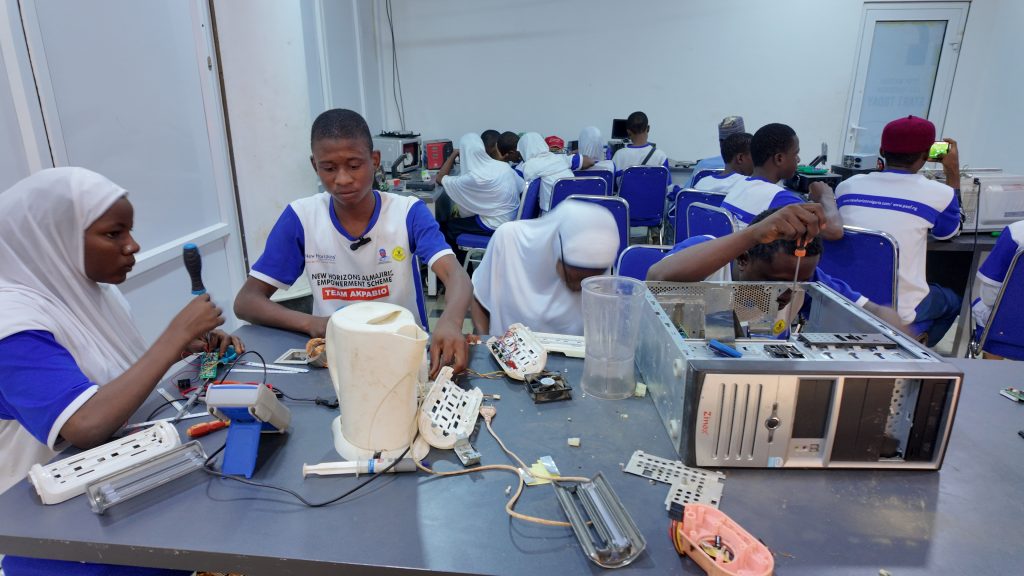
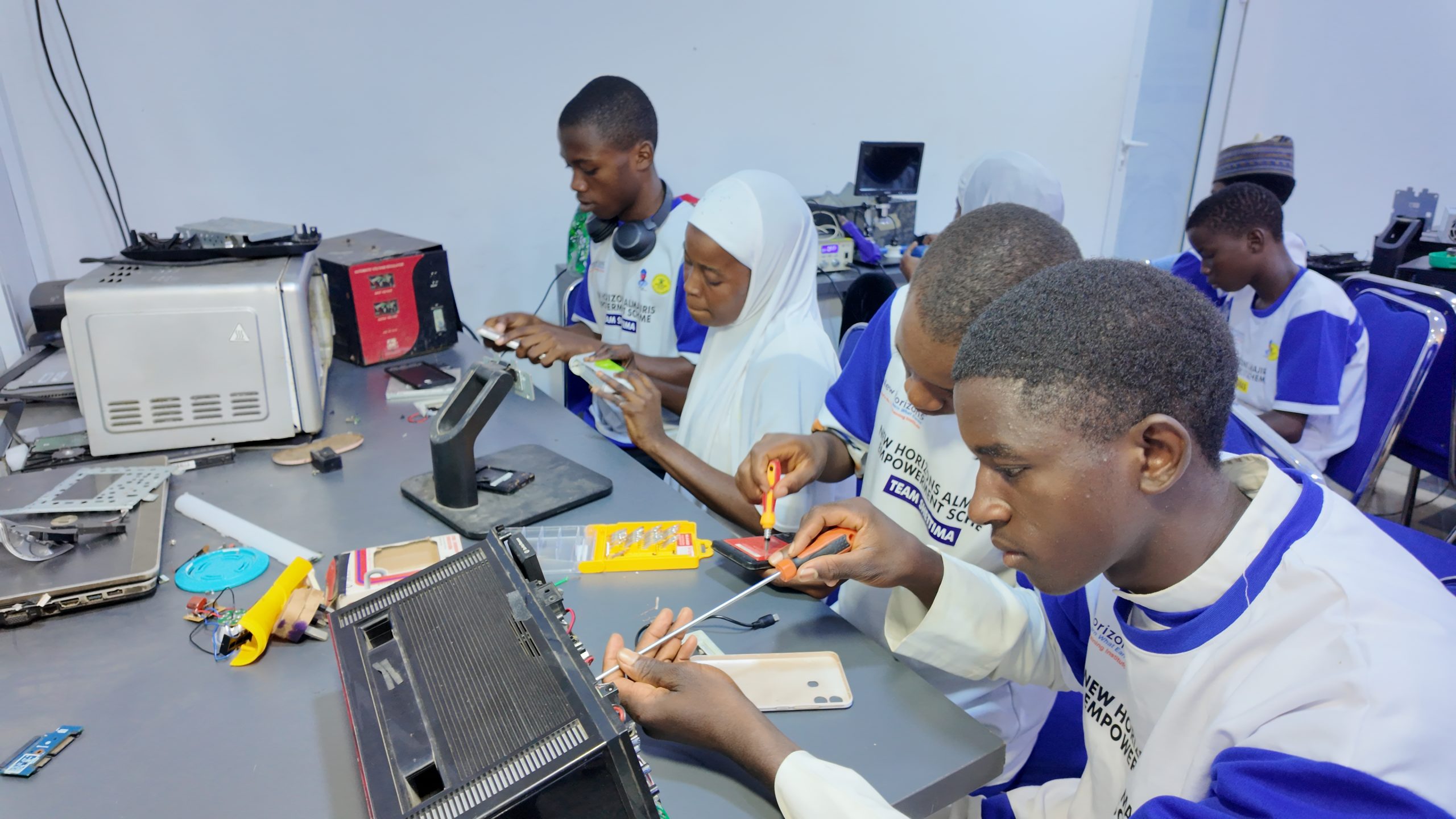
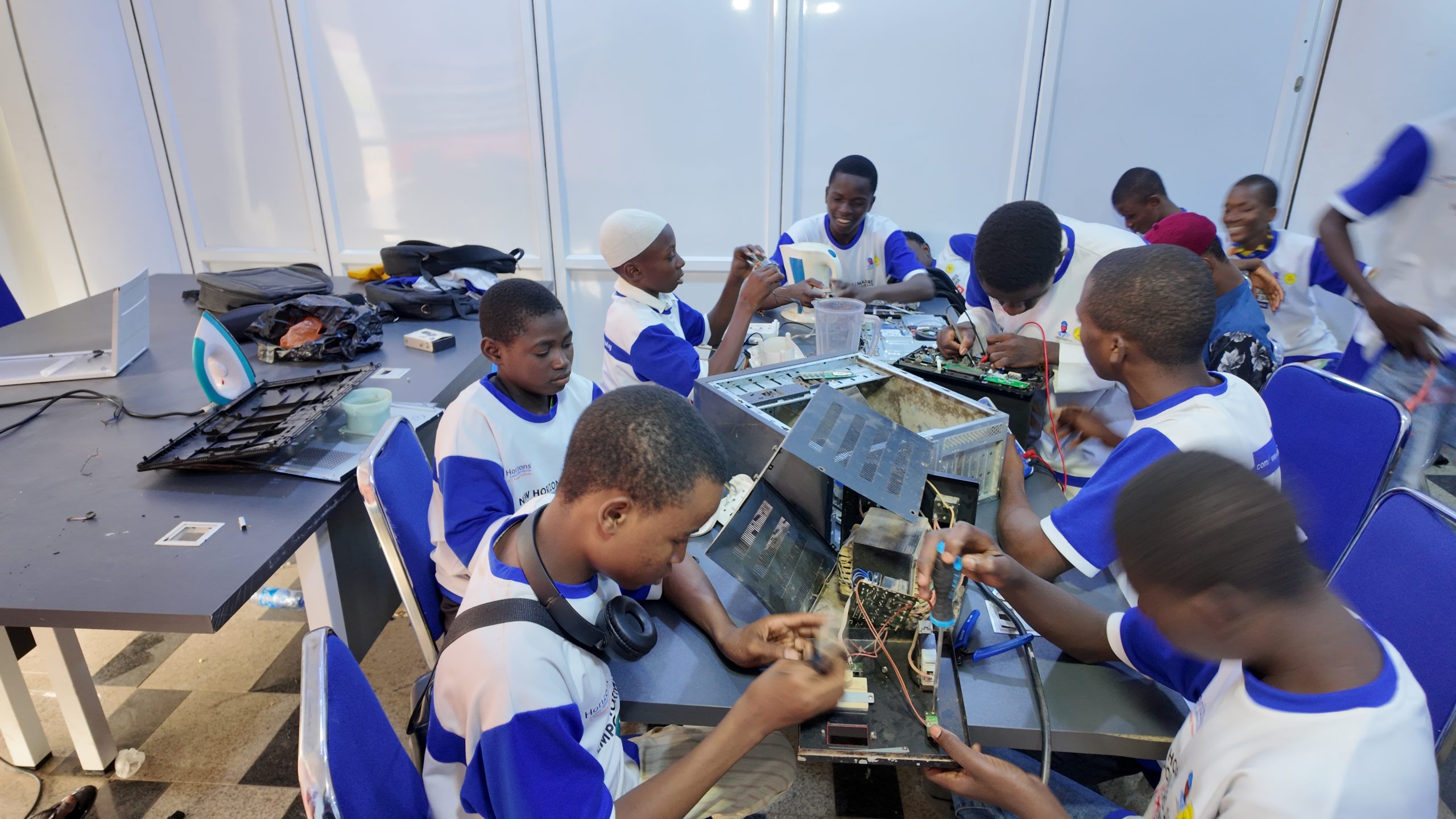
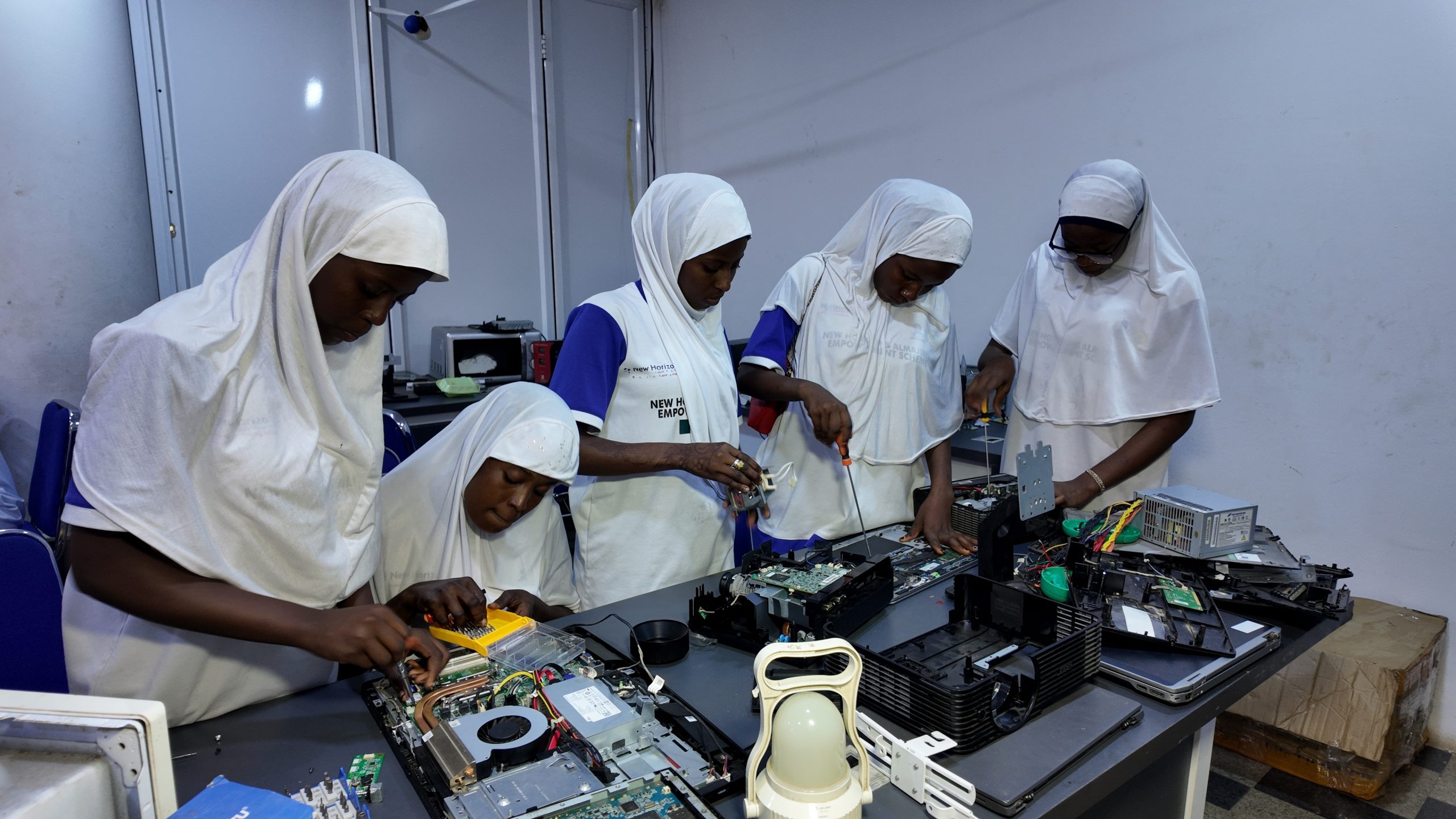
In Abuja, Twenty-one young people once associated with the streets have graduated from the pioneering Almajiri-to-Tech Initiative, completing a six-month technical training programme designed to equip them with practical technology and repair skills while creating pathways toward employment and entrepreneurship. The graduates, who completed their training on Wednesday, July 29, can now assemble computers and drones, build battery inverters, and repair a range of household and electronic devices including phones, laptops, fans, power banks and microwaves. The graduation marks a major milestone for an initiative seeking to demonstrate what can happen when young people who have historically been excluded from formal education are given access to technical training, resources and sustained support.
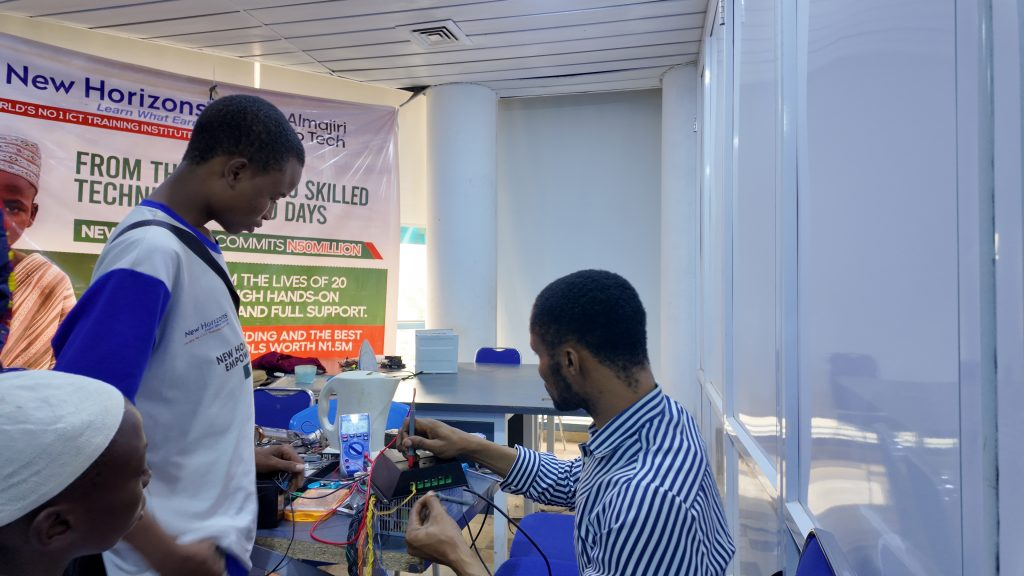
Six months earlier, some of the students reportedly struggled to communicate in English. Among them was Mohammed, who travelled from neighbouring Niger Republic without speaking English. Within three months, he had become fluent enough to confidently interact with customers during repair work. The programme went beyond technical instruction. Students were provided with uniforms, meals and transport stipends to help them attend classes. Religious instructors selected by the students also visited weekly to provide mentorship focused on character, faith and personal development.
Founder of the Almajiri-to-Tech Foundation and New Horizons Group Africa, Tim Akano, says the goal was not simply to award certificates, but to provide the graduates with practical skills that could translate into livelihoods. That transition is already being supported through the establishment of the Almajiri Republic Workshop in Wuse 2, Abuja. A full year’s workshop space has been secured, providing graduates with a physical location where members of the public can bring devices for repair and pay the young technicians directly. The initiative is also providing additional support for its highest-performing students. The top three graduates are set to receive business tools and cash grants intended to help them establish themselves during the early stages of their businesses. A directory and dedicated landline are also being introduced to make it easier for Nigerians to locate and hire the graduates for their services.
The initiative comes as a response to Nigeria’s large population of out-of-school and Almajiri children. According to figures cited by the foundation, approximately 30 million children fall within this population. For the organizers, the scale of the challenge makes traditional approaches insufficient. They argue that technical education and economic opportunity can provide an alternative path for young people who might otherwise remain excluded from formal employment and education. The foundation describes this as a challenge extending beyond education alone, linking the exclusion of young people to wider issues including insecurity and extremist recruitment, poverty, drug abuse, limited human development and irregular migration. Its argument is straightforward: giving young people practical skills and opportunities to earn a living can help address some of the conditions that leave vulnerable populations susceptible to exploitation and exclusion. It was revealed that the cost of transforming the 21 students was approximately ₦100 million ($75,000), an investment viewed as a demonstration of what targeted intervention can achieve.
The program also carries a regional dimension as one of the graduate, Mohammed, his journey from Niger Republic to becoming a trained technician illustrates the potential for skills development to extend beyond national borders. The foundation proves that equipping young people with employable skills can contribute not only to individual economic independence but also to greater regional stability. Tim Akano framed the initiative as part of a broader approach to addressing the underlying causes of migration, insecurity and poverty. Rather than relying solely on restrictions or short-term interventions, he noted that sustainable change requires creating meaningful opportunities for young people within their communities. The graduation therefore represents more than the completion of a six-month course. It is the first graduating class of a model built around the idea that technical education can transform young people who are frequently viewed through the lens of poverty and vulnerability into skilled contributors to the economy.
For the 21 graduates, receiving their certificates is only the beginning. With access to a dedicated workshop, business support and the skills gained during their training, the graduates are now positioned to begin serving customers and building independent livelihoods. Their training has also exposed them to technologies with growing relevance in Nigeria’s economy, including computer assembly, drone technology, power solutions and electronic repairs. The foundation hopes the model can eventually be expanded to reach more young people across Nigeria and demonstrate that large-scale social challenges can be approached through practical skills development, technology and entrepreneurship.
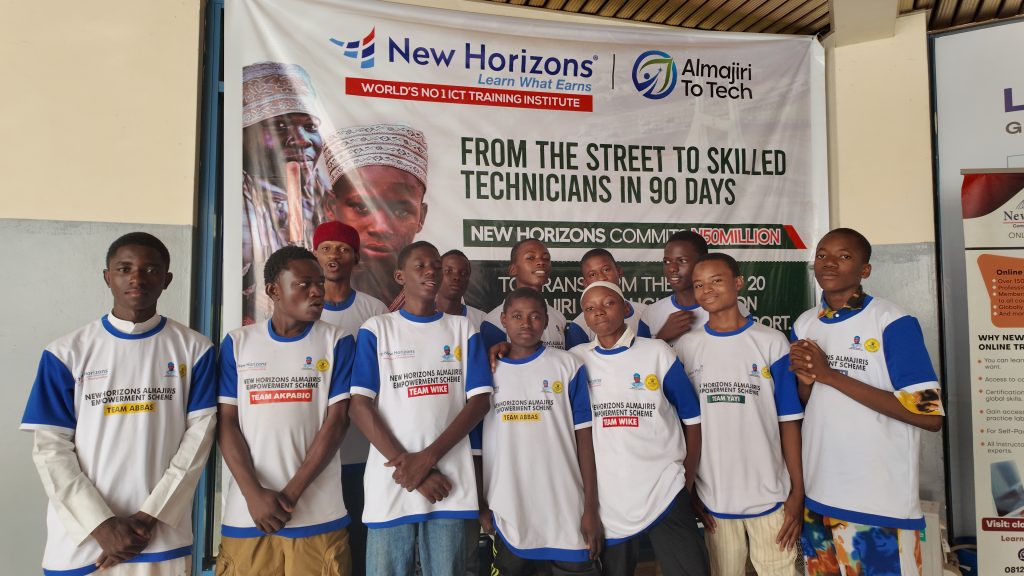
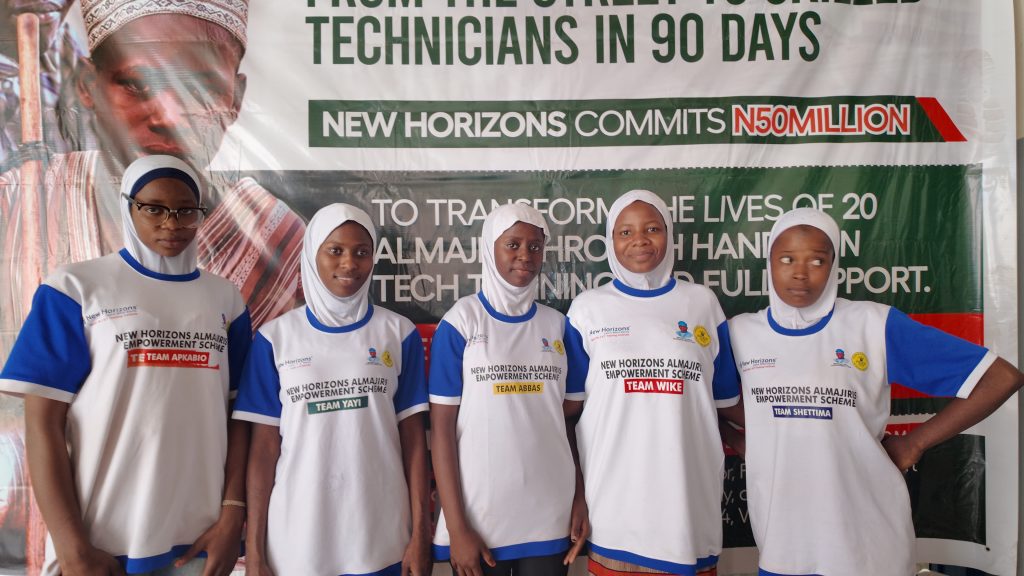
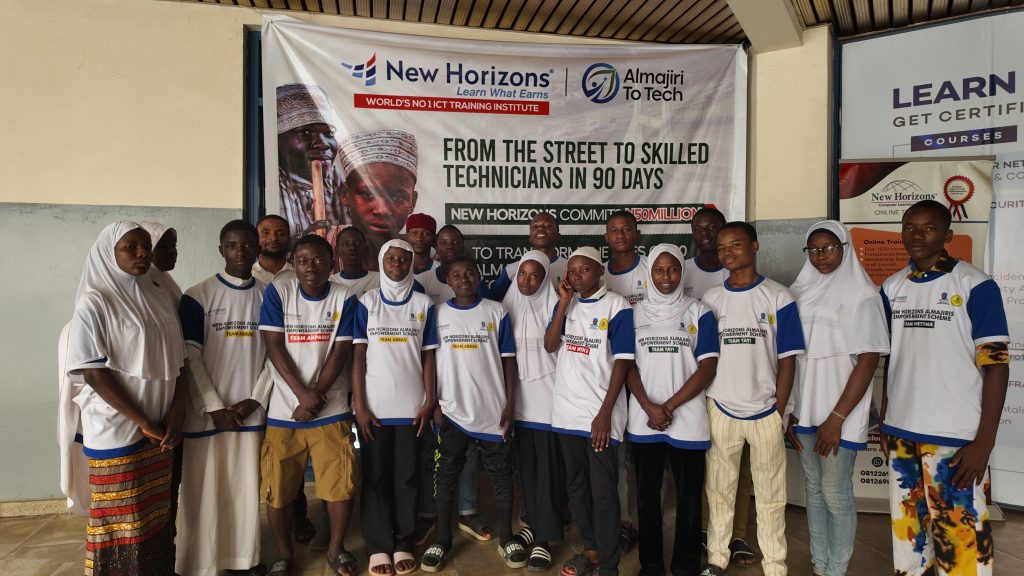
The story of the pioneer graduates ultimately presents a simple proposition: that young people who are often treated as a social burden can instead become an economic resource when given the opportunity, training and tools to succeed.
As the 21 graduates leave the classroom and enter the workshop, the Almajiri-to-Tech Initiative is now moving from training to its next test, whether the skills acquired can become sustainable businesses, employment and lasting independence. For the graduates, however, the transformation is already tangible. Six months after beginning the program, they leave not simply with certificates, but with technical skills, practical experience and a place from which to begin building their futures.