November 12–19, 2026 | Technology, Business & Innovation
The technology world never stands still, and the past week has been no exception. From artificial intelligence companies attracting the attention of global investors to major technology disruptions exposing weaknesses in digital infrastructure, the conversation is shifting beyond what technology can do to how much we can trust it, invest in it, and benefit from it.
Here in Nigeria, young innovators are also making their mark, demonstrating that the next generation of technology solutions does not have to come exclusively from Silicon Valley. Here are four developments worth paying attention to this week.
1. Anthropic’s IPO: Artificial Intelligence Is Becoming Wall Street’s Next Big Investment
Artificial intelligence has been a major topic in the technology industry for years. Now, one of the leading AI companies, Anthropic, may be taking its next big step towards the stock market.
Anthropic, the company behind the AI assistant Claude, has reportedly been considering a possible Initial Public Offering (IPO). An IPO is when a private company makes its shares available for the public to buy. The reports have attracted attention from investors, showing just how valuable the AI industry has become. However, preparing for an IPO does not mean the company has officially gone public.
Today, AI is being used in many areas, including software development, customer service, business operations and research. As the industry continues to grow, one important question remains: will AI companies be able to make enough money to match the high value investors place on them?
What does this mean for Nigeria?
For Nigeria’s growing technology ecosystem, Anthropic’s reported IPO preparations are more than an American financial story. They show that investors are paying more attention to artificial intelligence and the business opportunities it creates. For Nigerian startups, this could open doors to new investment opportunities, especially for businesses using AI to improve financial services, education, healthcare and business operations.
However, simply adding AI to a product is not enough to attract investors. Businesses must show that their products solve real problems, attract customers and generate income. Developers should focus on building AI solutions that people can actually use and that businesses are willing to pay for.
The bigger picture: The competition in AI is no longer just about building the most advanced technology. It is also about creating useful products that can grow into profitable businesses.
2. When Technology Fails: Global Outages Expose the Fragility of Our Digital World
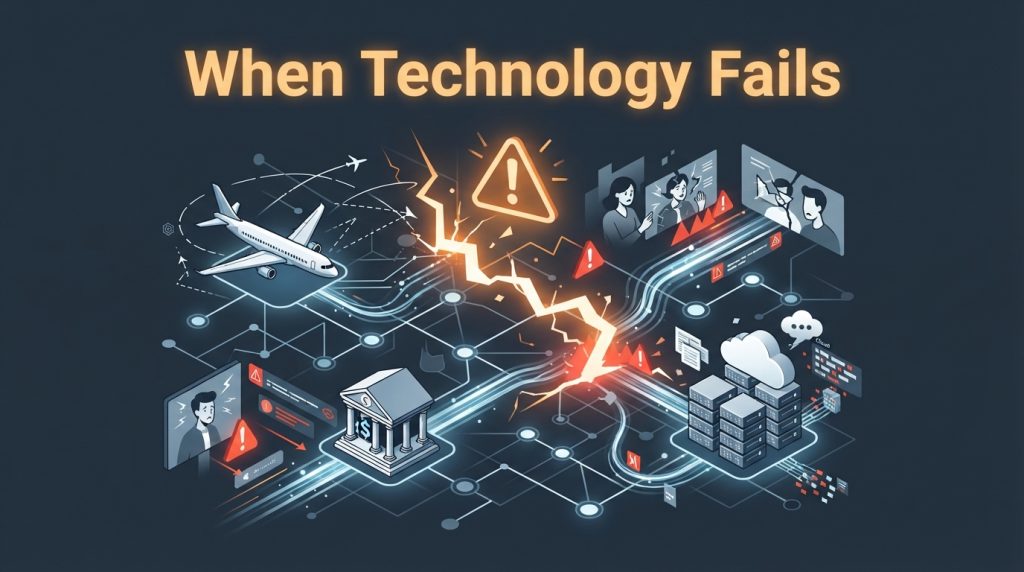
Imagine arriving at the airport only to find out that flights have been delayed because of a technical problem. Or trying to send money through your bank and discovering that its system is temporarily down.
Reports from November 17 and 18 highlighted disruptions affecting different digital services, including workplace software, aviation systems and financial platforms. Although these incidents may not be connected, they show how much businesses and everyday activities depend on technology.
Today, many essential services rely on digital systems to function. This means that even a small technical problem can affect businesses, customers and services in ways that go beyond the original issue.
Why Nigerian businesses should pay attention
Nigeria’s growing digital economy means that businesses increasingly depend on technology to operate. Banks, fintech companies, logistics firms, hospitals and small businesses all rely on digital systems to serve their customers and manage daily activities. However, when these systems fail, business operations can be disrupted.
For example, a payment platform outage could prevent an online business from receiving payments, while a cloud service failure could make important business tools temporarily unavailable. To prepare for such situations, businesses need reliable backup systems, regular monitoring and alternative ways to keep their operations running.
Developers must also consider possible system failures when building technology, rather than focusing only on how well it works under normal conditions.
The bigger picture: As more Nigerian businesses embrace digital technology, they must also invest in systems that can withstand disruptions and keep operations running smoothly.
3. Nigerian Students Compete for ₦18 Million as OPay, Google and 3MTT Back Local Innovation
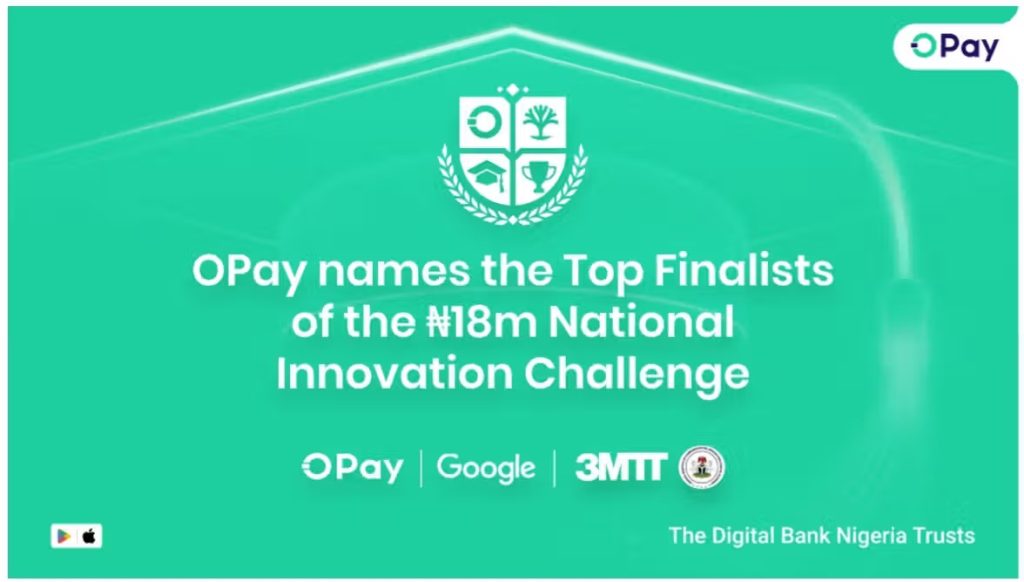
While global technology companies are attracting billions in investment, a different kind of innovation story is unfolding here in Nigeria.
On November 18, OPay, Google and the Federal Government’s 3 Million Technical Talent (3MTT) programme announced five finalist teams for the National Innovation Challenge. The initiative reportedly attracted more than 11,000 students, with finalists competing for a total prize pool of ₦18 million.
Beyond financial rewards, competitions like this give students opportunities to develop solutions, receive feedback and present their ideas to people in the technology industry.
Why this matters for Nigeria’s future
Nigeria has a large population of young people interested in technology, but technical knowledge alone is not always enough to build a successful product or company. Young innovators also need mentorship, funding, access to industry professionals and opportunities to test their ideas.
Initiatives such as the National Innovation Challenge can help bridge that gap by encouraging students to move beyond classroom learning and develop solutions to real-world problems. Collaboration between private businesses, educational institutions and public programmes can make that transition easier.
The bigger picture: Nigeria’s technology future depends not only on how many people learn digital skills, but also on how effectively those skills become useful products, businesses and jobs.
4. New Horizons Nigeria and Venite University Partner to Advance ICT and AI Education

As technology reshapes industries and the skills employers expect, Nigerian universities face an important challenge: how can students gain practical digital experience alongside their academic qualifications?
New Horizons Nigeria has announced a partnership with Venite University in Iloro, Ekiti State, to provide international ICT certification training and artificial intelligence (AI) empowerment opportunities. The initiative is expected to begin in the 2026/2027 academic session.
Connecting classroom learning with industry skills
The collaboration aims to complement university education with structured, industry-relevant training. Students will have opportunities to develop practical digital competencies and pursue internationally recognised ICT certifications while completing their degrees.
For graduates entering a competitive labour market, the ability to apply technical knowledge to real problems can be as important as academic achievement. The partnership seeks to make that transition easier.
Putting responsible AI education on the agenda
During the engagement, Mr Victor Ogunbiyi, representing New Horizons Nigeria, led discussions about the evolution of AI, its everyday applications and its implications for education and society. The session also explored ethical considerations, potential risks and the need to use AI as a tool that supports — rather than replaces — independent thinking and creativity.
Preparing students for the future of work
The initiative is designed to help students build confidence in emerging technologies, strengthen problem-solving abilities and explore opportunities in technology-driven fields. Its wider ambition is to connect digital literacy with employability, innovation and entrepreneurship.
Venite University’s Vice Chancellor, Professor Charity O. Aremu, emphasised the institution’s vision of developing graduates who can provide solutions for Nigeria and Africa in the Fourth Industrial Revolution. She also affirmed the university’s commitment to building high-technology and entrepreneurial skills across its degree programmes.
For New Horizons Nigeria, the partnership reflects a broader belief that technology education should extend beyond theory and give learners the skills to participate meaningfully in the digital economy.
The bigger picture: Partnerships between universities and technology training providers can help close the gap between academic study and the practical capabilities demanded by a rapidly changing workforce.
Final Thoughts: Four Stories, One Changing Technology Landscape
This week’s stories highlight four important developments in technology. Anthropic’s reported plans to go public show the growing interest in AI. Recent technology outages remind us why reliable digital systems matter. Nigeria’s innovation challenge gives students a platform to showcase their ideas, while the partnership between New Horizons and Venite University shows how practical technology training can prepare students for the workplace.
Together, these developments show how technology is shaping businesses, education, investment and everyday life. For Nigeria, the goal should be to take an active part in these changes by developing new ideas, building useful solutions and creating more opportunities in the technology industry.